
Perlite Ore
Origins and Characteristics....
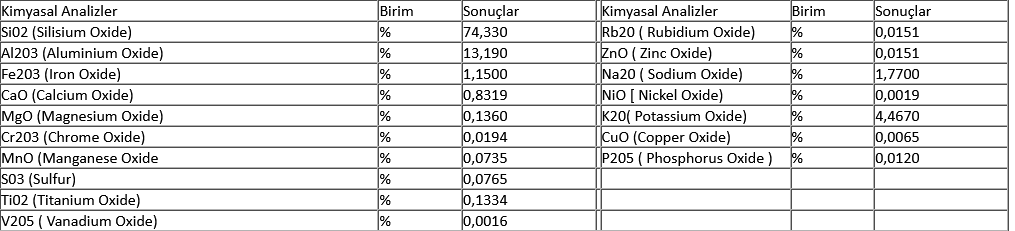
Perlite is not a brand name but a generic term for a naturally occurring siliceous rock. Perlite is distinguishable from other volcanic glasses when heat it to a suitable point, it expands from four to twenty times its original volume. This expansion is due to the presence combined water in the crude perlite rock. When quickly heated to above 1600 degrees F (871 degrees C), the crude rock expands in a manner similar to popcorn as the combined water vaporizes and creates countless tiny bubbles that account for the amazing light weight and other exceptional physical properties of expanded perlite. The expanded perlite's most distinguishing characteristics:is its white color. While the crude rock may range from transparent light gray to glossy black, the color of expanded perlite ranges from snowy white to grayish white. Expanded perlite can be manufactured to weigh to as light as 2 pounds per cubic foot (32 kg/m3) making it adaptable for numerous applications. Since perlite is a form of natural glass, it is classified as chemically inert and has a pH of approximately 7.
Horticultural Applications
In horticultural applications, perlite is used as a component of soilless growing mixes as it provides aeration and optimum moisture retention for superior plant growth. For root cuttings, 100% perlite is used. Studies have shown that outstanding yields are achieved with perlite hydroponic systems. Other benefits of horticultural perlite are its neutral pH and the fact that it is sterile and weed-free. In addition, its light weight makes it ideal for use in container growing. Other horticultural application of perlite includes as: fertilizer , herbicides and pesticides carriers and for seed pelletizing. Horticultural perlite is as useful to the home gardener as it is to the commercial grower. It is used with equal success in greenhouse growing, land-scaping applications and in the home in house plants.
Perlite Ore in Foundries: Properties, Uses and Benefits
What Is Perlite Ore?
Perlite ore is a naturally occurring volcanic glass that expands rapidly when heated to high temperatures. In foundry applications, it is valued for its low density, thermal insulation, chemical inertness and ability to form lightweight, porous structures. These characteristics make perlite a versatile auxiliary material in both ferrous and non‑ferrous foundries.
When crushed and graded, perlite ore can be used either in its raw form or after expansion. Expanded perlite is produced by rapidly heating the ore to around 850–900 °C, causing the water trapped in the structure to vaporize and create a cellular, foam‑like particle with excellent insulating properties.
Use of Perlite in Foundry Slag Treatment
One of the most important uses of perlite ore in foundries is in slag conditioning and slag removal. When added to molten metal, perlite particles float to the surface and interact with the slag layer. The material helps to thicken, stabilize and insulate the slag, improving its workability and making it easier to skim from the bath.
Perlite reduces metal losses by minimizing the amount of entrained metal in the slag. The porous structure absorbs and retains slag components while allowing metal droplets to separate and return to the melt. This leads to higher metal yield, cleaner melts and more consistent metallurgical quality in steel, iron and non‑ferrous alloys.
Thermal Insulation and Heat Retention
Expanded perlite is widely used as a thermal insulating cover on molten metal surfaces in ladles, tundishes and holding furnaces. When spread over the metal, it forms a lightweight, insulating blanket that reduces heat loss, stabilizes temperature and protects the melt from oxidation.
This insulating layer helps maintain pouring temperature over longer periods, which is especially important in continuous casting and in foundries with extended transfer times. Better temperature control improves fluidity, reduces casting defects and can lower overall energy consumption by reducing the need for reheating.
Perlite in Exothermic and Insulating Compounds
Perlite ore is a common ingredient in exothermic and insulating sleeves, riser compounds and hot‑top materials. Its low density and high refractoriness allow it to be combined with binders and exothermic agents to create products that both insulate and generate heat around risers and feeders.
These exothermic‑insulating systems slow down the solidification of metal in critical sections, improving feeding efficiency and reducing shrinkage porosity. The result is better soundness in castings, fewer internal defects and reduced need for welding or repair.
Use in Molding and Core Materials
Perlite can be incorporated into molding sands and core mixes to reduce density and improve collapsibility. The lightweight particles help produce molds and cores that are easier to handle and that break down more readily after casting, simplifying shakeout and cleaning operations.
In some applications, perlite is used to improve permeability and reduce gas‑related defects. Its inert nature and high melting point make it compatible with a wide range of binder systems and casting alloys, from gray iron and ductile iron to aluminum and copper‑based alloys.
Refractory and Lining Applications
Perlite ore is also used in the production of lightweight refractory bricks, castables and insulating boards for furnaces, ladles and tundishes. When expanded and combined with refractory binders, it forms materials with low thermal conductivity and good resistance to thermal shock.
These lightweight refractories reduce heat loss through furnace walls and ladle linings, improving energy efficiency and allowing faster heat‑up and cool‑down cycles. The reduced structural weight can also lower mechanical stress on supporting steelwork and extend equipment life.
Environmental and Operational Advantages
The use of perlite ore in foundries offers several environmental and operational benefits. Its ability to improve slag removal and metal yield reduces waste and lowers the volume of slag that must be handled and disposed of. Better insulation and heat retention contribute to lower fuel consumption and reduced emissions.
Perlite is chemically inert, non‑toxic and free from crystalline silica in its expanded form, which supports safer working conditions when handled with appropriate dust control measures. Its long service history in foundry operations demonstrates reliable performance and compatibility with modern process requirements.
Typical Foundry Applications of Perlite Ore
- Slag conditioner and cover for steel, iron and non‑ferrous melts
- Insulating cover for ladles, tundishes and holding furnaces
- Component in exothermic and insulating riser sleeves
- Additive in molding sands and core mixes to reduce density
- Raw material for lightweight refractory bricks and castables
- Insulating fill around furnaces, launders and transfer systems
Through its combined roles in slag control, insulation, refractory production and mold technology, perlite ore has become a key auxiliary material that supports higher efficiency, better casting quality and more sustainable operation in modern foundries.
Pertas Perlite & Natural Stones LLC Türkiye Head offices
uzuncayir cad. no:24/8 34722 Kadikoy Istanbul Turkey
+90 216 326 8159
sales@pertas.com.tr
@pertasperlite
Uses for Perlite..
As the chart above indicates, there are many uses for perlite. These uses can be broken down into three general categories: construction applications, horti-cultural applications and industrial applications.Construction Applications
Because of perlite's outstanding insulating characteristics and light weight, it is widely used as a loose-fill insulation in masonry construction. In this application, free-flowing perlite loosefill masonry insulation is poured into the cavities of concrete block where it completely fills all cores, crevices, mortar areas and ear holes. In addition to providing thermal insulation, perlite enhances fire ratings, reduces noise transmission and it is rot, vermin and termite resistant Perlite is also ideal for insulating low temperature and cryogenic vessels. When perlite is used as an aggregate in concrete, a lightweight, fire resistant, insulating concrete is produced that is ideal for roof decks and other applications. Perlite can also be used as an aggregate in Portland cement and gypsum plasters for exterior applications and for the fire protection of beams and columns. Other construction applications include under-floor insulation, chimney linings, paint texturing, gypsum boards, ceiling tiles and roof insulation boards.